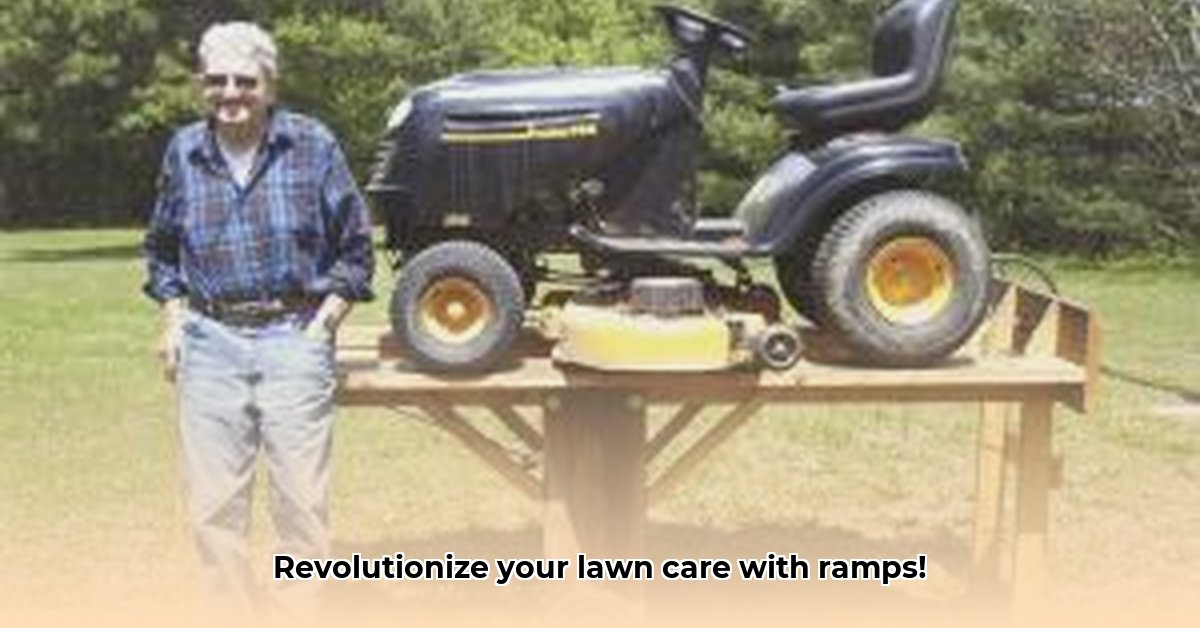
Tired of battling hills when mowing your fields or lawn? Maintaining sloped land with a lawn tractor can be dangerous, time-consuming, and harmful to your soil. Lawn tractor ramps offer a safer, more efficient solution, boosting sustainability and protecting your valuable land. For more detailed information on ramp designs, check out this helpful resource: Tractor Ramp Guide. This guide provides a step-by-step approach to using and building ramps, emphasizing safety throughout.
Choosing the Right Ramp
Before you begin, consider the two main types of ramps, each with advantages and disadvantages:
| Ramp Type | Pros | Cons |
|---|---|---|
| Pre-fabricated Ramps | Ready-made, easy installation, durable materials, readily available | May not perfectly fit your slope, can be more expensive initially |
| Custom-Built Ramps | Tailored to your terrain, allows for creative design and materials | Requires more time, effort, and tools; may necessitate additional materials |
Choosing between pre-fabricated and custom-built ramps depends on your budget, skills, and the specific needs of your land. A pre-fabricated ramp may suffice for simple slopes, while a custom ramp offers more flexibility for complex terrain.
Building Your Own Ramps: A Step-by-Step DIY Guide
Building your own ramps is a feasible DIY project, offering significant cost savings. Remember, safety is paramount. Adjust these steps based on your specific slope and materials:
Planning and Measurement: Carefully measure your slope's angle and length. A gentler slope (15-20 degrees) is safer and easier for your tractor. Sketch a design to visualize the finished product. Why is accurate measurement critical for ramp safety and success? Accurate measurements prevent accidents caused by uneven ramps or insufficient ramp length.
Material Selection: Choose durable, weather-resistant materials like pressure-treated lumber (rated for ground contact) or sturdy metal. Consider your tractor's weight; heavier tractors require more robust ramps. Gather screws, bolts, and other necessary fasteners. What materials offer optimal durability and weather resistance for long-term use? Pressure-treated lumber and galvanized metal prove highly durable and resistant to rot and rust.
Construction: Cut lumber to the correct lengths. Create a solid base. Add supports for increased strength, avoiding flimsy construction. Ensure the ramp surface offers good traction, perhaps by adding anti-slip material. Isn't strong construction essential for preventing ramp failure? Yes, sturdy construction prevents collapse under the weight of the tractor, avoiding potential injury and damage.
Placement and Securing: Position the ramp carefully, securing it to prevent slippage. Use robust anchoring methods, such as stakes or ground screws, depending on your terrain and materials. How essential is secure anchoring in preventing ramp-related accidents? Secure anchoring is crucial. It prevents the ramp from shifting or moving during tractor use, decreasing risk of accidents.
Testing: Before using the ramp with your tractor, perform a thorough test to ensure stability and safe operation. Make adjustments as needed. What's the benefit of testing before using the ramp with your tractor? Testing mitigates risk. It allows you to identify problems before they cause accidents or damage.
Safety Precautions: A Priority
Safety should be paramount:
- Regular Inspections: Inspect the ramp for damage before each use. This prevents accidents.
- Slow and Steady Operation: Drive slowly and carefully, avoiding sudden movements.
- Maintain Good Traction: Ensure good traction to prevent slippage. Add extra traction material if necessary.
- Safe Driving Practices: Maintain a firm grip on the steering wheel and avoid jerky movements.
- Weight Limits: Never exceed the ramp's weight capacity to avoid structural failure.
Dr. Emily Carter, Agricultural Engineer at Cornell University, states, “Ramp safety is paramount. Regular inspections and careful operation significantly reduce the risk of accidents and damage.”
Ramps and Sustainable Agriculture
Using ramps contributes significantly to sustainable land management. By reducing fuel consumption, minimizing soil compaction, and lowering erosion risk, you create a healthier environment. It’s a simple change with lasting positive effects. While this guide offers a solid foundation, remember to adapt these techniques to your specific needs and consult professionals for complex scenarios. The long-term success of your farming practices benefits from environmentally responsible equipment use.